Transportation in New York

Public Transportation (Subway & Buses)

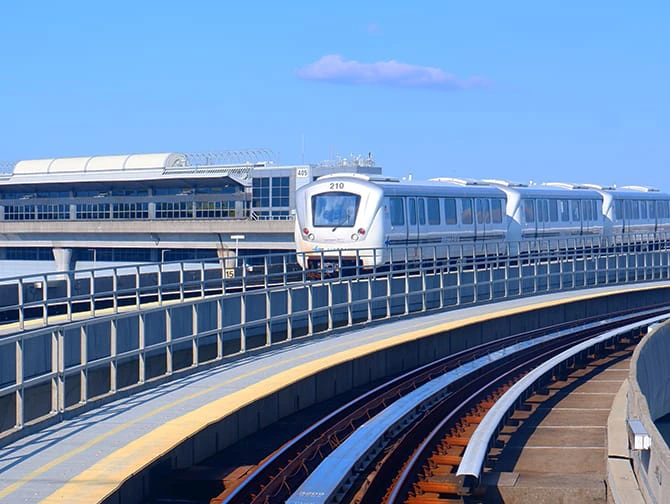
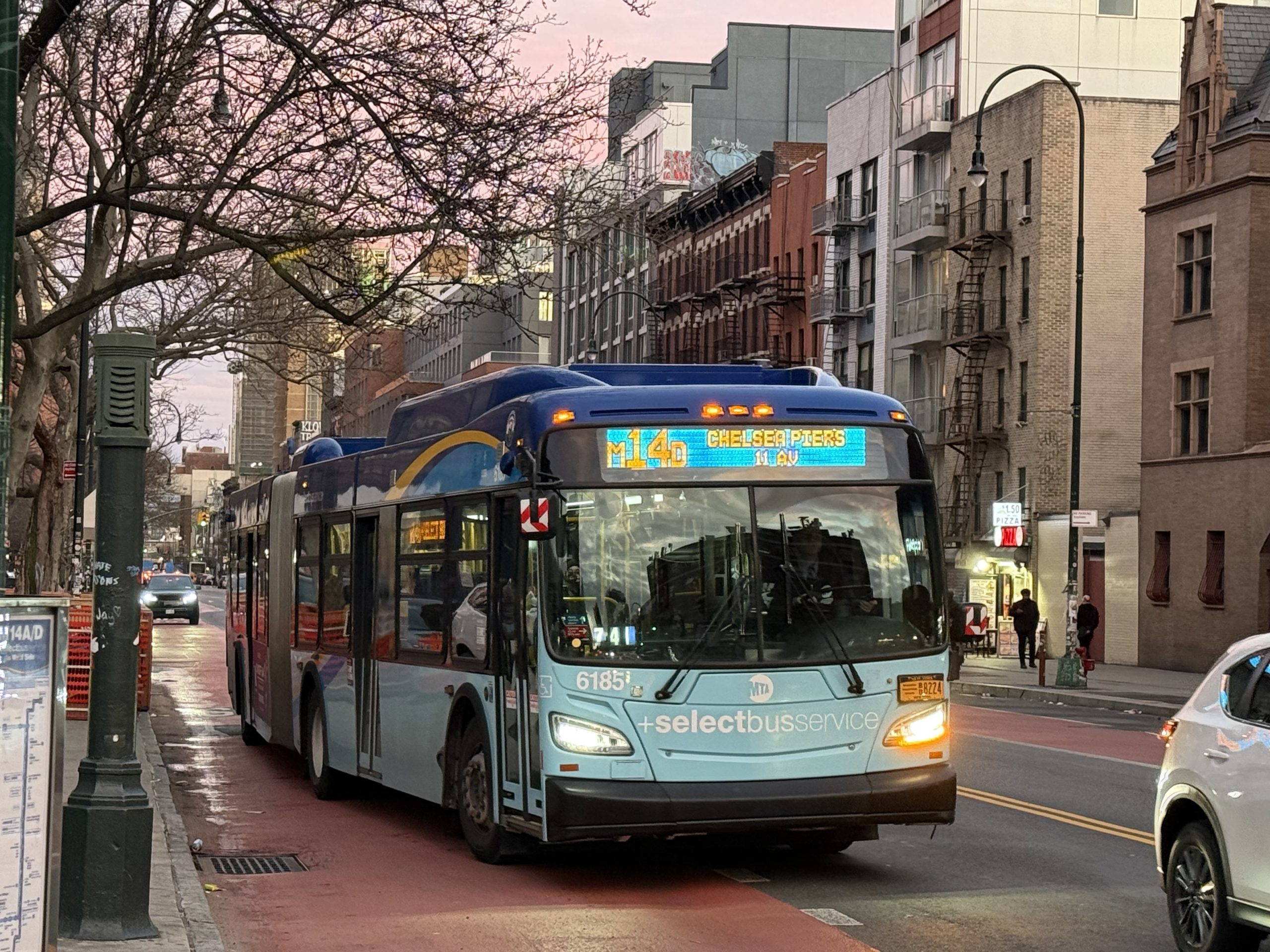
Public transportation in New York City is operated by the Metropolitan Transportation Authority (MTA). The subway system runs 24/7 and connects all five boroughs, making it the fastest way to get around. Buses complement the subway by covering areas not served by trains. MetroCards and OMNY allow easy, contactless payments. It’s one of the most extensive and efficient transit systems in the world.
Taxis & Ride-Sharing

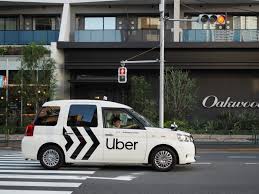
New York is famous for its iconic yellow taxis, which are easy to find throughout the city. Ride-sharing services such as Uber and Lyft are also widely available. These options are convenient for door-to-door travel, especially late at night or when carrying luggage. However, traffic congestion can increase travel times. Pricing varies depending on distance, traffic, and demand.

Walkability & Cycling

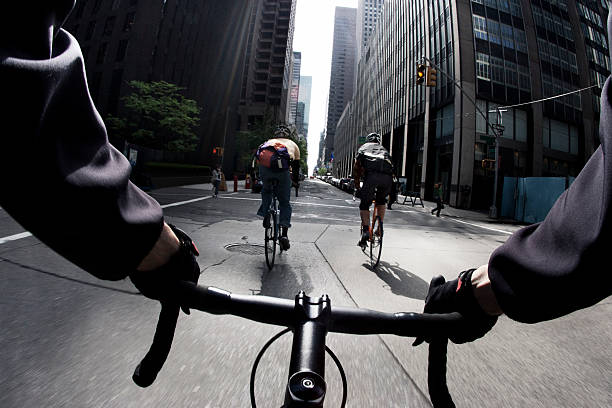
New York City is one of the most walkable cities in the world, with sidewalks, crosswalks, and clear street grids. Many major attractions are within walking distance, especially in Manhattan. For cycling, the Citi Bike program offers thousands of bikes across the city. Dedicated bike lanes make cycling safer and more accessible. Walking and biking are often the quickest ways to explore neighborhoods.

Regional Trains & Airports

New York is well-connected to nearby cities through regional rail services like Amtrak and commuter trains. Major hubs such as Penn Station and Grand Central Terminal serve millions of passengers each year. The city is also served by major airports including John F. Kennedy International Airport and LaGuardia Airport. AirTrain and public transit options make airport access convenient. These connections make traveling beyond the city easy and efficient.