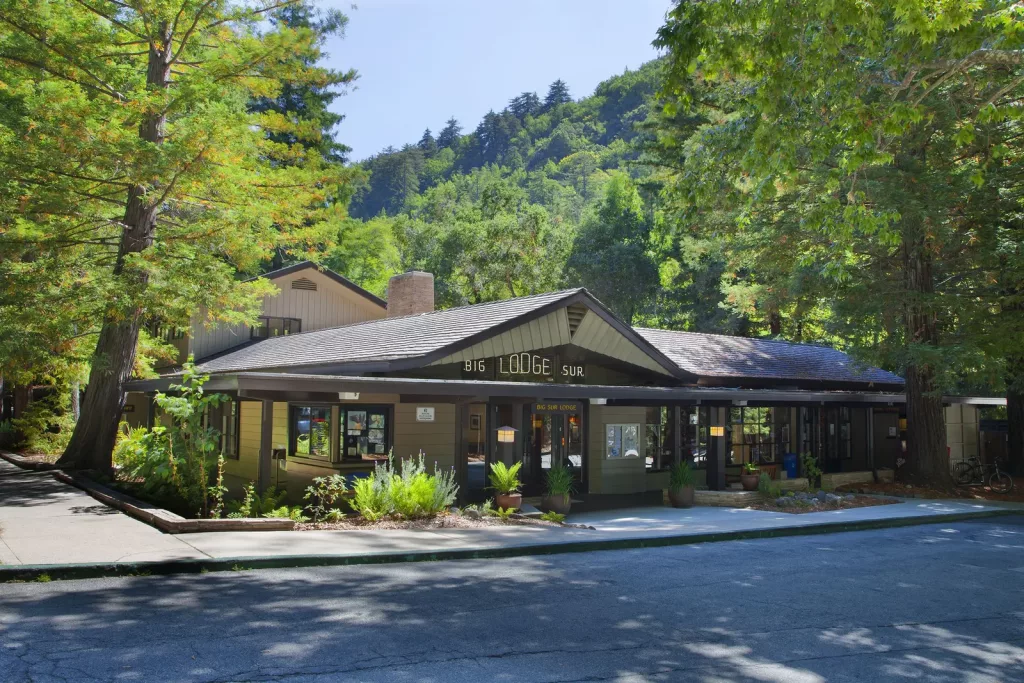
Big Sur is known for dramatic cliffs, redwood forests, and coastal views—but it doesn’t have to be a luxury-only destination. The key to finding cheap hotels in Big Sur for LGBTQ+ travelers is choosing the right base so you stay close to nature and dining without paying premium resort prices.
This guide helps you balance comfort, privacy, and budget, so your trip feels peaceful instead of stressful.
Why Hotel Location Matters in Big Sur
Where you stay affects:
● How much driving you do on Highway 1
● How early you can reach viewpoints and trails
● How relaxed evenings feel
● How much you spend on gas and food
A cheap hotel too far from Big Sur can mean:
● Long, tiring drives
● Fewer sunset stops
● Limited dining options
● More planning pressure
A well-placed budget hotel lets you enjoy the scenery without rushing.
A Smart Framework for Finding Cheap LGBTQ+ Friendly Hotels
1. Choose your main exploration zone first
Look near Pfeiffer Big Sur State Park, Andrew Molera State Park, or the northern Big Sur coast.
2. Compare total cost, not just nightly rate
Watch for parking, resort-style fees, or minimum-stay rules.
3. Stay near where you’ll spend mornings and evenings
This makes sunrise hikes and sunset views easier.
4. Pick simplicity and privacy over branding
Smaller lodges and roadside inns often provide better value.
Best Areas for Cheap Hotels in Big Sur (LGBTQ+ Friendly)
Big Sur Village — Closest & Most Scenic
Why it works:
● Near Pfeiffer Big Sur State Park
● Central access to trails
● Coastal viewpoints nearby
Best for:
● Nature-focused trips
● Minimal driving
● Quiet evenings
Budget rooms here book fast, so reserve early.
Carmel Highlands — Northern Edge & Value
Why it works:
● Closer to Carmel
● More dining options
● Easier access to services
Best for:
● First-time visitors
● Short stays
● Road trips
It’s often cheaper than central Big Sur.
Lucia Area — Remote & Peaceful
Why it works:
- Cliffside scenery
- Fewer crowds
- Night-sky views
- Best for:
- Quiet escapes
- Photography trips
- Longer stays
You trade convenience for privacy and calm.
South Big Sur / Gorda — Cheapest Option
Why it works:
● Lower nightly rates
● Easy highway access
● Rustic lodging
Best for:
● Tight budgets
● Road travelers
● One- or two-night stays
It’s basic but close to coastal scenery.
When Big Sur Hotels Are Cheapest
Cheapest:
● Late winter
● Early spring
● Midweek stays
Most expensive:
● Summer
● Fall foliage season
● Holiday weekends
Best booking window:
● 3–6 weeks before travel
● Avoid holiday weeks for lowest prices
What “Cheap” Means in Big Sur
Cheap usually means:
● $150–250 per night
● Simple rooms or cabins
● Limited amenities
You gain:
● Close access to nature
● Quiet evenings
● More budget for food and fuel
You trade:
● Spa services
● Oceanfront luxury rooms
● Room service
For LGBTQ+ travelers, comfort, privacy, and location usually matter more than luxury extras.
Comfort & Confidence Notes for LGBTQ+ Travelers
Big Sur is generally welcoming and low-key.
Helpful habits:
● Stay near main highways
● Keep evenings at your lodge
● Plan meals in advance
● Trust your instincts
Most stress comes from:
● Limited cell service
● Long distances
● Few dining options
Not from lack of acceptance.
Matching Hotel Choice to Your Trip Style
If scenery matters most:
● Big Sur Village
● Lucia
If food access matters:
● Carmel Highlands
If budget matters most:
● Gorda
● South Big Sur
If privacy matters:
● Lucia
Common Booking Mistakes
● Booking far inland
● Ignoring food availability
● Staying too many nights in one place
● Overpaying for “romantic” branding
Better approach:
● Choose the right zone
● Compare 2–3 lodges
● Balance price with location
Why Location Shapes the Whole Trip
Your hotel affects:
● Sunrise hikes
● Sunset viewpoints
● Dinner timing
● Energy levels
A good location:
● Saves time
● Saves fuel
● Improves the trip
That’s what makes “cheap” feel intentional instead of limiting.
Booking Readiness: Big Sur
Once you’ve chosen the area that fits your pace and priorities, comparing affordable hotels and flight options together makes planning easier.
FAQ — Cheap Hotels in Big Sur for LGBTQ+
Is Big Sur LGBTQ+ friendly?
Yes. It’s generally relaxed and welcoming.
What is the best area to stay in Big Sur on a budget?
Carmel Highlands and South Big Sur usually offer better value.
Are cheap hotels in Big Sur comfortable?
Yes, but they are usually simple lodges or cabins.
Is winter a good time for budget travel?
Yes. Winter has fewer crowds and lower prices.
How far in advance should I book?
Three to six weeks before travel is usually best.
Wrap-Up: Scenic, Quiet, and Budget-Smart
Finding cheap hotels in Big Sur for LGBTQ+ travelers is about choosing the right zone and planning around distance and meals. When your hotel is close to trails and viewpoints, Big Sur feels peaceful and immersive instead of rushed.
Once you’ve narrowed down your priorities, comparing a few well-located hotels and flight options together can help you plan with confidence instead of guesswork.


